
Before we delve into the effects of wine, it’s essential to understand what dehydration is. Dehydration occurs when your body loses more fluids than it takes in, leading to an imbalance in the body’s electrolytes and affecting essential bodily functions. When comparing the dehydration effects of wine and beer, it all comes down to their alcohol content. Beer typically has about 4% to 6% alcohol, while wine steps it up with around 11% to 14%.
These polyphenols can also lessen the plaque toxicity that is already present in the body, thus reducing cognitive decline. Drinking water while you’re still drunk isn’t going to prevent you from becoming dehydrated, but it may help lessen the degree to which you’re dehydrated. A diuretic is a substance that causes the body to produce more urine. You’ve no doubt noticed that when you drink, you have to pee more. Alcohol dehydration occurs because alcohol causes you to lose too much fluid from your body. Having the right balance of fluid in your system is essential for your body to carry out basic functions.
Can IBS Cause Dehydration?
Dry red wines typically exhibit strong acidity and bold tannins, which can give them a structured mouthfeel. These wines often have complex flavor profiles that may include notes of dark fruits like blackberry, cherry, or plum, as well as deeper layers of spice, smoke, or earthiness. The specific terroir, or the characteristics of the vineyard location, plays a significant role in shaping these flavors. For a red wine to be classified as dry, it usually contains less than 3 grams of residual sugar per liter.
Recommended Beverage Consumption for Hydration
It’s important to note that the diuretic effect of alcohol is dose-dependent. In other words, consuming moderate amounts of wine should not significantly impact your hydration levels. By enjoying a glass or two of wine, you are unlikely to experience any noticeable dehydrating effects. By now you know that alcohol does not have hydrating properties. There are, however, some studies to suggest that alcohol may have some other health benefits when enjoyed in moderation. For example, one study, published in July 2021 in BMC, Medicine found that moderate drug addiction treatment consumption of any type of alcohol decreased risk of death in those with preexisting heart disease.
The Hydration Factor
When your body can’t get rid of acetaldehyde quickly enough, you may experience your body getting rid of this substance the next morning (usually by vomiting) 5. For reference, a standard drink—12 ounces of beer, 5 ounces of wine, 1.5 ounces of liquor—has 14 grams of alcohol, according to the National Institute on Alcohol Abuse and Alcoholism 3. This type of red wine is usually light, effervescent, and slightly sweet and fruity. Drink plenty of plain water, an electrolyte drink or sports drink, and eat water-rich, easily digestible foods.
- As MedlinePlus points out, calories from alcoholic beverages can add up quickly.
- Electrolytes, especially potassium and sodium, play a critical role in fluid balance and facilitate the movement of water into cells and tissues.
- This kind of wine is produced from merlot grapes that are very high in tannins.
- As a side note, that’s one of the reasons why one of the best at-home hangover cures is a few glasses of water as soon as you wake up and have a headache.
- Individual physiology varies, and personalized advice can be invaluable.
It’s important to listen to your body and respond to its hydration needs. If you choose to indulge in wine, consider alternating alcoholic beverages with glasses of water to maintain hydration levels. When it comes to wine, we must consider its alcohol content, which is a key factor in understanding its hydrating properties. Alcohol is a diuretic, meaning it can increase urine production and potentially lead to dehydration.
- «The higher the alcohol content a drink has (or is absorbed in your body), the greater the diuretic and dehydration effect.»
- Rehydrating with plenty of fluids and focusing on electrolytes helps support proper fluid balance and may reduce the unpleasant aftereffects of alcohol consumption.
- Although more human studies are needed to confirm this effect, early research on resveratrol in wine has shown its cardiovascular benefits.
- The association between moderate alcohol consumption and reduced risk of new-onset type 2 diabetes is inconclusive.
How To Lower Cortisol: Drinking Less Can Help
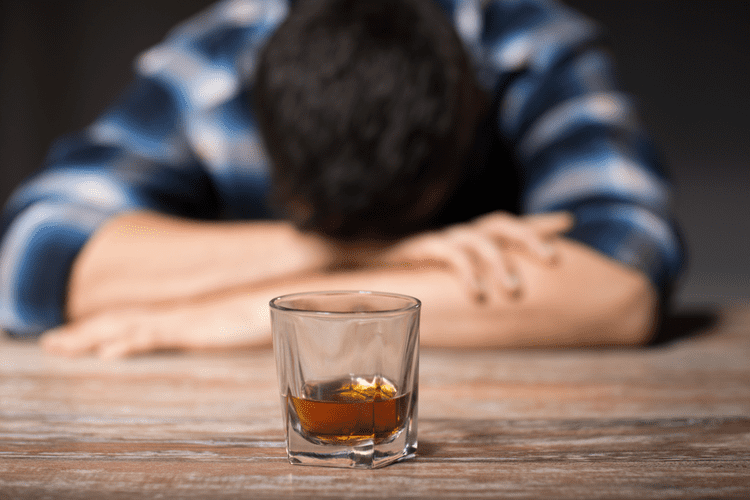
Each of these can be a contributor to alcohol-related headaches, but dehydration is a close threat when partaking in any alcoholic beverage. When muscles and organs are deprived of water, they can shrink—including the brain. If the brain shrinks away from the skull, it can cause a dehydration headache, but when alcohol enters the fray, another factor is introduced that may induce headaches in some people. The one area where one glass of wine might really dent your day-after buzz is your sleep.

Exercise causes fluid loss, and combining it with alcohol increases the risk of dehydration, which is detrimental to muscle tissue and can slow down recovery. Electrolyte imbalance can exacerbate dehydration and worsen the unpleasant aftereffects of drinking alcohol, including headaches, low energy, muscle aches, and poor sleep. Alcohol affects various physiological functions and interferes with urine production, fluid regulation, and electrolyte balance, all of which are crucial for maintaining proper hydration. The relationship between red wine consumption and dehydration is complex, with various does red wine dehydrate you perspectives and factors to consider. Dry red wines are incredibly versatile and can be paired with a variety of foods.
ABV varies a lot, and therefore so does a drink’s potential for hydration. A 12-oz beer with 5 percent ABV is going to be far less dehydrating than the same size beer with 12 percent ABV, for instance. While some studies have shown the health benefits of drinking red wine, you should weigh the benefits against the risks and keep in mind the dangers of alcohol abuse. If you’ve been drinking and are experiencing alcohol dehydration symptoms, you need to restore your body’s fluid balance.
Electrolytes can help direct water to where it’s most needed, and DripDrop has three times the electrolytes of a sports drink. Multi-flavor pouches are available for mixing it up, and subscriptions allow users to save 25%. If you’re very sensitive to the histamines in red wine — red can have up to 200% more histamines than white — then you might end up having a headache in about 15 minutes, even after one drink.
For optimal hydration, balance with water consumption is recommended, especially when indulging in alcoholic beverages. In contrast, drinks with lower alcohol by volume (ABV), like light beers or certain wines, may be less dehydrating. However, moderation remains key, as consuming multiple servings can quickly elevate total alcohol intake, leading to dehydration effects regardless of the type consumed.
